
Animal Instinct and Human Projection
Life of PiPi Patel’s observations challenge easy stories about animals, arguing that their behavior is neither human sentiment nor simple freedom.
increasing Bearing strength in each event
 decreasing
Bearing strength in each eventdecreasingThe Myth of Happy Freedom
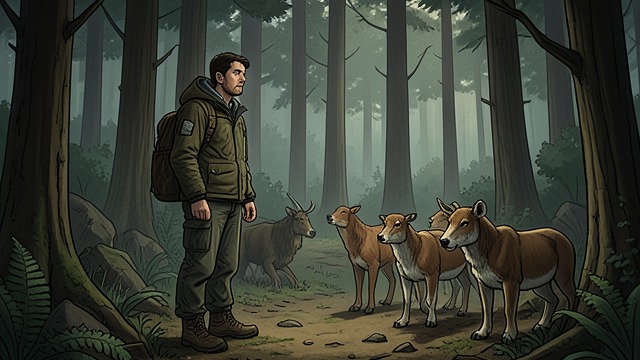
Questioning the Wild Ideal
A Familiar Assumption
Pi Patel disputes the idea that every wild animal is happy simply because it is free of human enclosures.
A Harder Reality
Predators, hunger, parasites, and social pressures shape animal life as powerfully as human barriers do.
The argument complicates the moral certainty with which people condemn all zoos.
Territory Before Abstraction
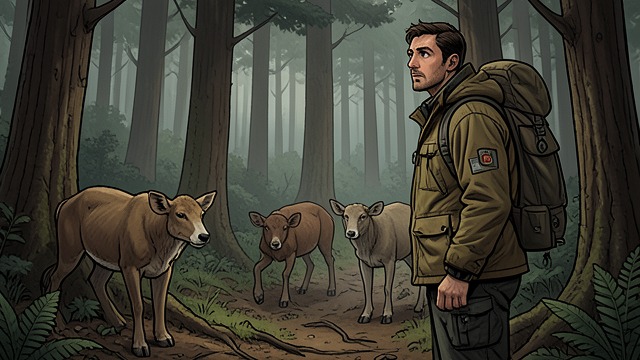
What Space Means to Animals
Familiar Ground
Animals rely on known territory to find food, water, rest, and shelter, and may experience it as home rather than imprisonment.
A Practical Principle
Pi Patel understands space through behavior and routine, a perspective later applied to the Lifeboat’s strict divisions.
The story makes territory a concrete need before it becomes a metaphor for power.
Humans as Mirrors
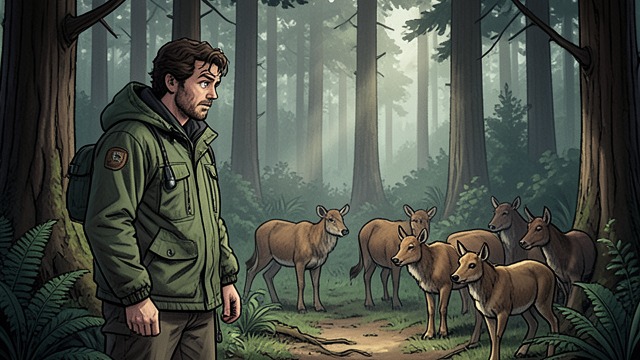
The Animal We Imagine
Projection at Work
People often call animals cute, loving, vicious, or cruel by reading human motives into behavior they do not understand.
A Warning from the Zoo
Pi Patel learns that such projections can obscure an animal’s actual instincts and needs.
The idea prepares readers to question the emotionally vivid language of his later animal story.
An Animal in the Boat
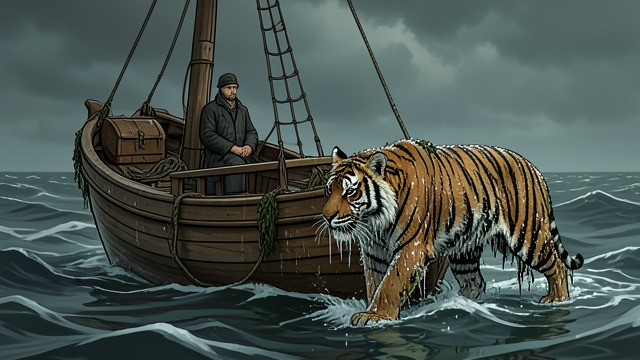
The Tiger Beyond Metaphor
A Dangerous Presence
Richard Parker’s hunger, fear, and territory make the Lifeboat a real habitat for a real predator within Pi Patel’s account.
A Human Response
Pi Patel sometimes imagines, interprets, and speaks to the tiger, but survival depends on recognizing the difference between imagination and animal behavior.
The narrative holds empathy beside the refusal to pretend the tiger is human.
The Animal-Free Reading

A Second Meaning
The Human Counterpart
When Pi Patel offers the story without animals, the tiger’s actions can be read alongside the violence of a human Cook.
Unresolved Coexistence
The two accounts resist a single settled explanation, leaving the animal story both emotionally powerful and open to interpretation.
The reader must reckon with what human beings and animals can each represent without making them identical.
Pi Patel’s reflections on childhood in the zoo
During Pi Patel’s explanation of zoo behavior
During Pi Patel’s childhood lessons at the zoo
During the first weeks at sea
During the final interview account
